
Table of Contents
ToggleSustainable living tools help people reduce waste, conserve resources, and live more responsibly. These products range from reusable kitchen items to solar-powered devices. They make daily habits greener without sacrificing convenience.
The demand for sustainable living tools has grown steadily over the past decade. More households now prioritize products that last longer and create less environmental impact. This shift reflects a broader awareness of climate change and resource depletion.
This guide covers the essential sustainable living tools every eco-conscious household should consider. It explains what these tools are, highlights must-have items for different areas of life, and offers practical tips for choosing quality products. Whether someone is starting their sustainability journey or looking to upgrade existing gear, these recommendations provide a solid foundation.
Key Takeaways
- Sustainable living tools help reduce waste and conserve resources by replacing single-use items with durable, reusable alternatives.
- Kitchen essentials like compost bins, reusable food storage, and water filter pitchers can divert up to 30% of household waste from landfills.
- Energy-saving tools such as smart power strips, LED bulbs, and low-flow showerheads cut utility bills while reducing environmental impact.
- When choosing sustainable living tools, evaluate durability, certifications, and full lifecycle—not just marketing claims.
- Start your sustainability journey with daily-use items like water bottles, shopping bags, and food containers for maximum impact.
- Calculate cost per use to see how sustainable products save money over time despite higher upfront prices.
What Are Sustainable Living Tools?
Sustainable living tools are products designed to minimize environmental harm throughout their lifecycle. They typically use renewable materials, require less energy, and produce less waste than conventional alternatives. The goal is to meet daily needs while reducing one’s ecological footprint.
These tools fall into several categories. Some replace single-use items with reusable versions. Others improve energy efficiency or help conserve water. Many are made from recycled, biodegradable, or sustainably sourced materials like bamboo, stainless steel, or organic cotton.
The key characteristics of quality sustainable living tools include:
- Durability: They last years, not months
- Repairability: Parts can be fixed or replaced
- Low environmental impact: Production uses minimal resources
- End-of-life consideration: They can be recycled or composted
Sustainable living tools aren’t just about buying new products. They also include devices that help people repair, maintain, and extend the life of items they already own. A good sewing kit or a reliable set of hand tools can prevent countless items from ending up in landfills.
The shift toward sustainable living tools represents a practical approach to environmental responsibility. Rather than making dramatic lifestyle changes all at once, people can swap out conventional items gradually as they wear out.
Must-Have Tools for the Home
The home is where most people can make the biggest impact with sustainable living tools. Daily routines in the kitchen and throughout the house offer numerous opportunities to reduce waste and conserve resources.
Kitchen and Food Preparation
The kitchen produces significant household waste, making it a prime target for sustainable living tools. Here are the essentials:
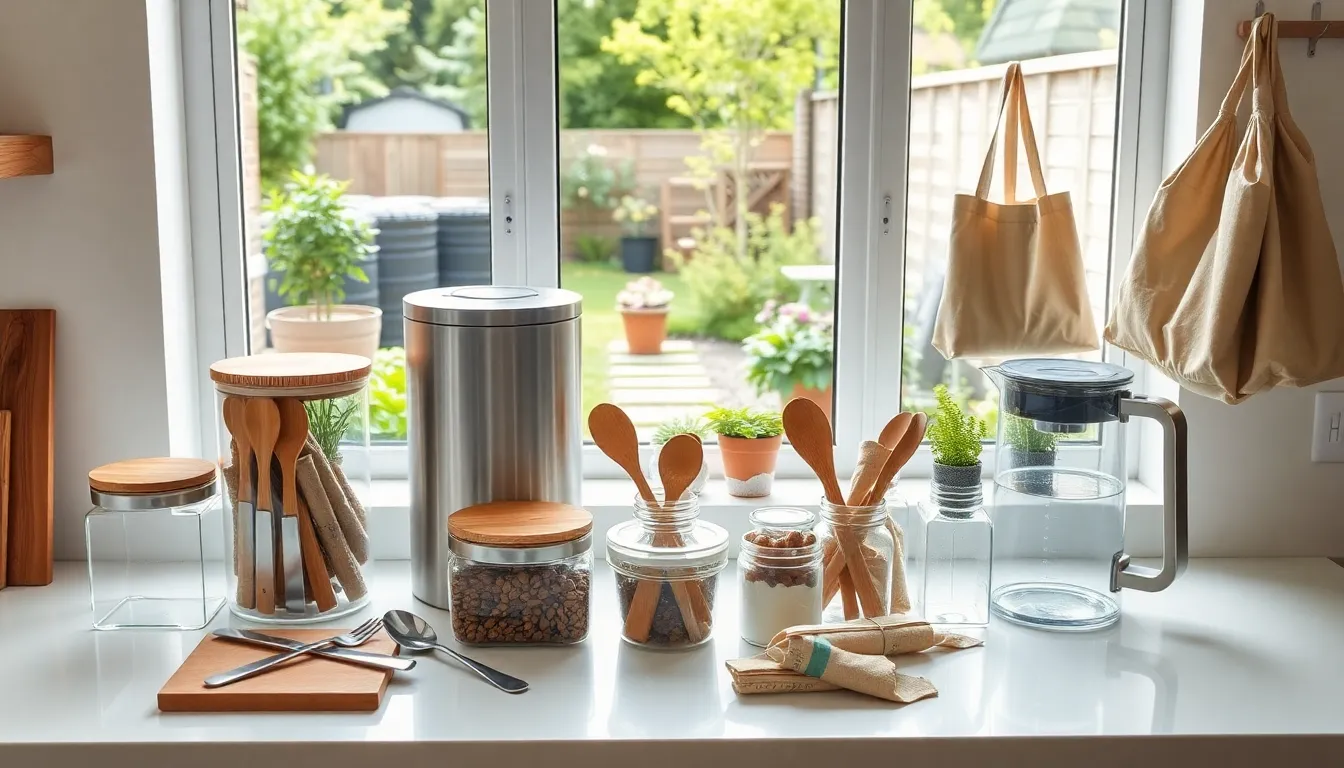
Reusable food storage replaces plastic bags and wrap. Beeswax wraps, silicone bags, and glass containers keep food fresh without creating trash. A quality set of glass containers with airtight lids can last decades.
Compost bins turn food scraps into nutrient-rich soil. Countertop models with carbon filters control odors, making composting practical even in apartments. This single tool can divert 30% of household waste from landfills.
Stainless steel or bamboo utensils replace plastic versions that crack and need frequent replacement. Wooden cutting boards, when properly maintained, outlast plastic alternatives and don’t harbor bacteria in grooves.
Water filter pitchers reduce reliance on bottled water. A single filter can replace hundreds of plastic bottles over its lifetime. Some brands offer recyclable filter cartridges.
Energy and Water Conservation
Sustainable living tools for conservation pay for themselves over time through reduced utility bills:
Smart power strips eliminate phantom energy drain from electronics in standby mode. They automatically cut power to devices that aren’t in use.
Low-flow showerheads and faucet aerators reduce water consumption by 25-60% without noticeably affecting water pressure. Installation takes minutes and requires no plumbing expertise.
LED bulbs use 75% less energy than incandescent bulbs and last up to 25 times longer. Modern LEDs produce warm, pleasant light that rivals traditional options.
Manual appliances like hand-powered blenders, coffee grinders, and can openers use zero electricity. They’re also quieter, easier to clean, and less likely to break down.
Outdoor and Gardening Essentials
Outdoor spaces benefit greatly from sustainable living tools. Gardens, patios, and yards offer opportunities to grow food, conserve water, and create habitats for beneficial wildlife.
Rain barrels capture runoff from roofs for later use in gardens. A single barrel can collect over 1,000 gallons during a rainy season. This free water source reduces municipal water use and lowers utility bills.
Manual lawn care tools eliminate the noise and emissions of gas-powered equipment. Push reel mowers work well for smaller lawns and provide exercise. Long-handled weeders remove unwanted plants without chemicals.
Compost tumblers speed up decomposition compared to open bins. The enclosed design keeps pests out and makes turning the pile easier. Within weeks, yard waste and kitchen scraps become valuable garden amendment.
Seed-saving tools help gardeners become self-sufficient over time. Envelopes, labels, and storage containers keep seeds viable for future seasons. This practice reduces packaging waste and preserves heirloom varieties.
Solar-powered outdoor lights illuminate pathways and gardens without drawing grid electricity. Modern solar lights charge efficiently even on cloudy days and last several seasons before needing battery replacement.
Drip irrigation kits deliver water directly to plant roots with minimal waste. These systems use 30-50% less water than sprinklers and reduce weed growth by keeping surrounding soil dry.
Quality garden hand tools made from forged steel and hardwood handles represent sustainable living tools at their finest. A well-maintained spade or trowel can serve multiple generations.
How to Choose Quality Sustainable Products
Not all products marketed as “sustainable” deliver on their promises. Smart shoppers learn to evaluate claims and identify truly quality sustainable living tools.
Check materials and sourcing. Look for specific information about where materials come from and how they’re processed. Vague terms like “eco-friendly” or “green” mean little without supporting details. Certifications like FSC (Forest Stewardship Council) for wood products or GOTS (Global Organic Textile Standard) for fabrics provide third-party verification.
Evaluate durability honestly. A sustainable product that breaks after six months isn’t sustainable at all. Read reviews focusing on long-term use. Pay attention to warranty length, companies confident in their products back them with strong guarantees.
Consider the full lifecycle. The best sustainable living tools account for end-of-life disposal. Can the product be recycled? Are replacement parts available? Does the company offer a take-back program? These factors matter as much as initial materials.
Calculate cost per use. Sustainable living tools often cost more upfront but save money over time. A $30 stainless steel water bottle used daily for five years costs about 2 cents per use. Disposable bottles at $1 each cost 50 times more over the same period.
Avoid greenwashing. Be wary of products that emphasize minor sustainable features while ignoring larger issues. A plastic item shipped from overseas in excessive packaging isn’t truly sustainable just because it contains 10% recycled content.
Prioritize purchases wisely. Start with sustainable living tools that replace items used daily. These swaps create the biggest environmental impact. Water bottles, shopping bags, and food containers offer excellent starting points.


