Table of Contents
ToggleA small living room doesn’t have to feel cramped or underutilized. With the right design choices, even compact spaces can become functional, inviting retreats that work hard for the people living in them. The key is thinking strategically about furniture selection, layout, and visual tricks that make rooms feel larger and more purposeful. This guide walks through seven practical design ideas that help homeowners maximize small living rooms without relying on expensive renovations or major structural changes. Whether working with a studio apartment, a cozy corner, or a modest family room, these solutions apply immediately and deliver real results.
Key Takeaways
- Ideas for small living rooms focus on multi-functional furniture that serves at least two purposes, such as storage ottomans, nesting tables, and sofas with under-seat compartments.
- Floating your seating arrangement toward the center and angling furniture slightly creates a more intimate, intentional layout than pushing everything against walls.
- Light colors, reflective surfaces like mirrors and metallics, and transparent glass furniture visually expand the space and amplify natural light.
- Vertical storage solutions including wall-mounted shelves, tall bookcases, and over-door organizers maximize functionality without consuming floor space.
- Layered lighting with table lamps, wall sconces, and floor lamps creates depth and warmth, making small living rooms feel more spacious and inviting.
- Restraint in decor—choosing appropriately scaled artwork, single statement pieces, and curated groupings—prevents visual clutter and maintains openness in compact spaces.
Choose Multi-Functional Furniture Pieces
The smartest move in a small living room is selecting furniture that pulls double duty. A storage ottoman serves as seating, a footrest, and hidden storage for blankets or magazines, replacing three separate pieces. A console table behind a sofa can function as a desk, accent surface, or even a dining spot when folded down. Nesting tables stack away when not needed but expand to accommodate guests or extra surfaces when entertaining.
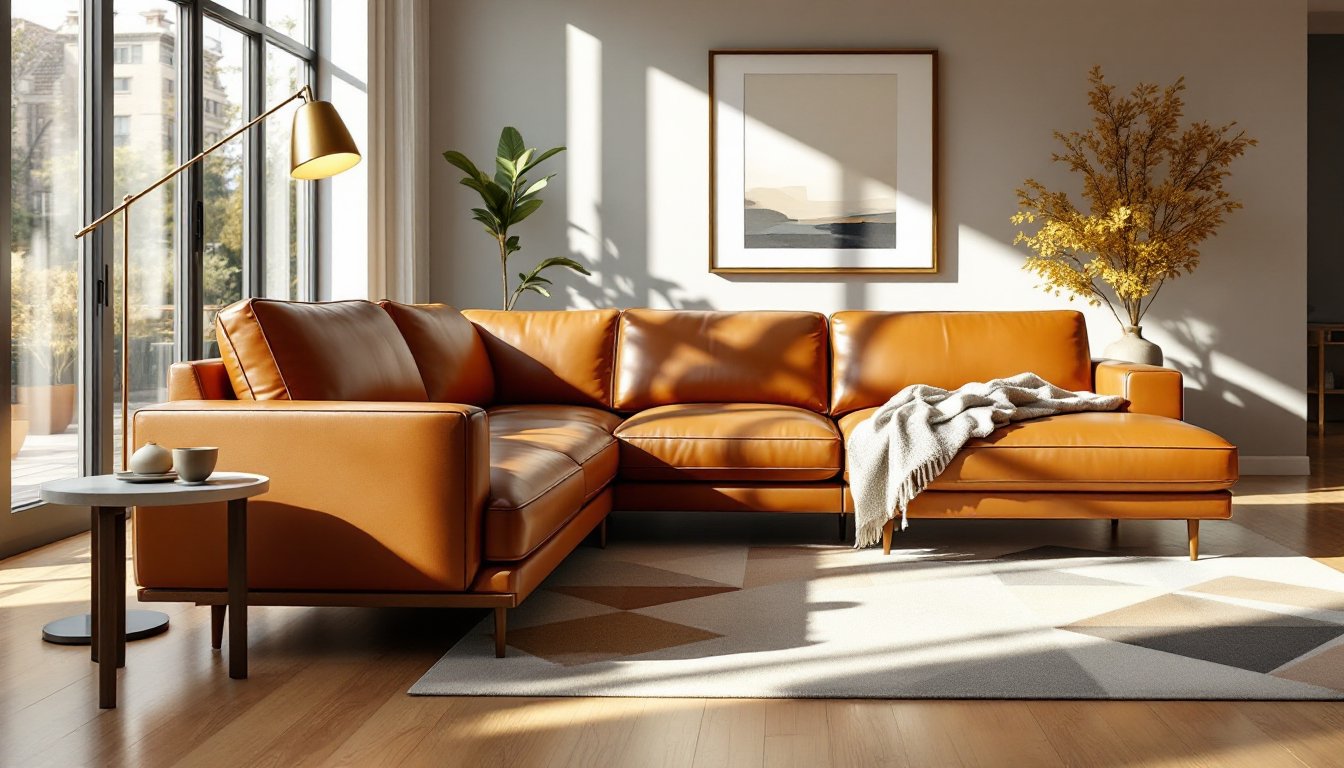
When shopping for pieces, prioritize furniture with exposed legs rather than skirted bases. Legs create visual space beneath furniture, making the room feel more open and less heavy. A low-profile sofa (around 28–32 inches tall) takes up less visual real estate than a high-armed sectional, leaving sight lines clear to windows and walls.
Look for pieces with built-in storage compartments, beds with drawers underneath, sofas with under-seat storage, or cabinets that double as side tables. These additions let you keep the room organized without needing extra storage furniture that consumes floor space. Every piece should earn its place by serving at least two functions.
Optimize Your Layout With Strategic Furniture Placement
Layout makes the difference between a cramped room and a well-organized one. Start by measuring the room and your furniture pieces, then sketch out options on paper before moving anything. Avoid pushing all furniture against walls, this actually makes small rooms feel smaller and creates an awkward, uninviting setup.
Instead, float your seating arrangement toward the center of the space, creating an intimate conversation zone. A small rug anchors the furniture group and defines the seating area visually. Leave clear pathways from doorways through the room so traffic doesn’t feel blocked.
Angle furniture slightly rather than placing everything parallel to walls. A sofa angled across a corner, paired with a chair facing it, uses corner dead space and creates a more dynamic layout than rigid, straight-line arrangements. Consider the natural focal point, a window, fireplace, or TV, and orient seating toward it rather than away from it. This makes the room feel intentional and functional, not like furniture was squeezed in as an afterthought.
Use Light Colors and Reflective Surfaces
Light, neutral walls and furniture visually expand a small room. Soft whites, warm grays, pale greiges, and light taupes reflect available light and create a sense of openness. This doesn’t mean the room needs to look cold or sterile, layer in warmth through textiles, wood tones, and accessories.
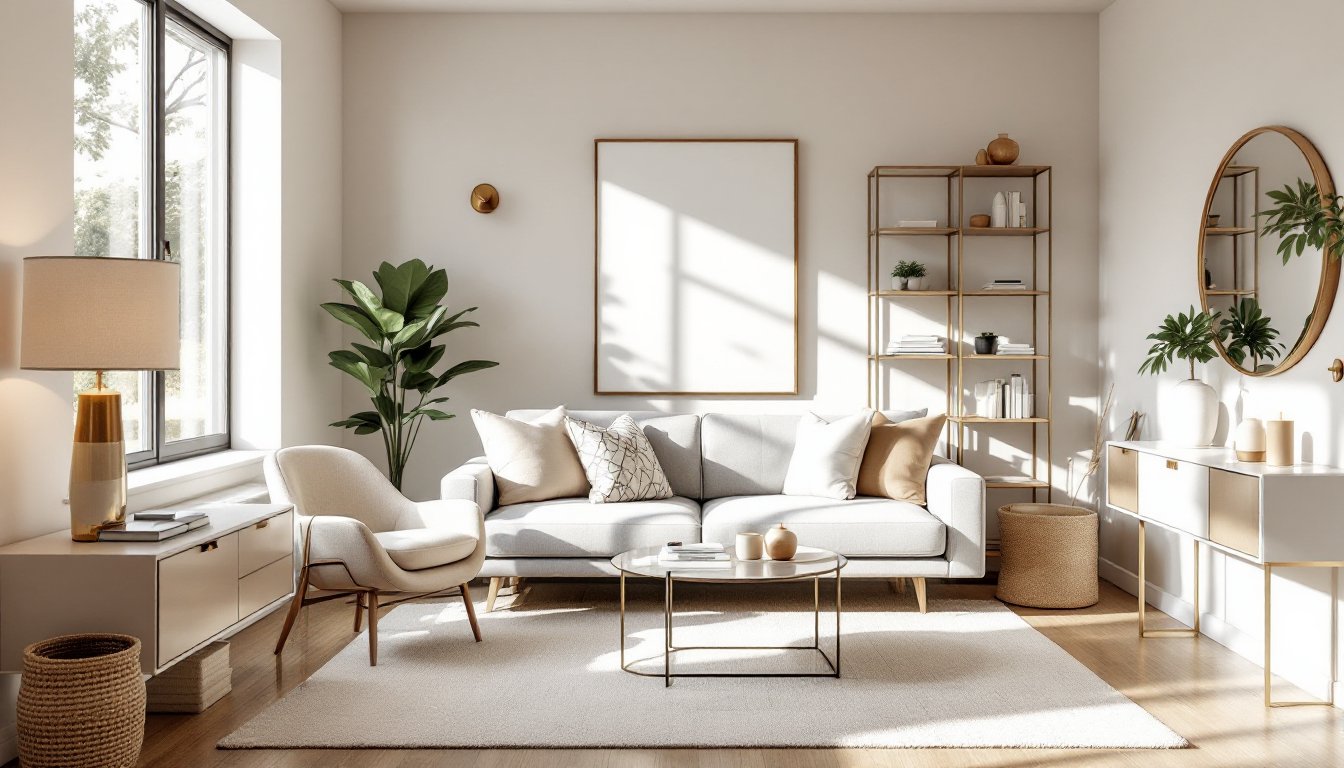
Reflective surfaces amplify this effect. A large mirror opposite a window bounces natural light around the room and creates an illusion of depth. Metallics, polished brass, chrome, or copper accents in lamps, hardware, or accessories, catch light and add visual interest without cluttering the space. Glass coffee tables and shelving also create transparency that makes rooms feel airier.
Keep larger upholstered pieces in neutral tones so they fade into the background visually. This frees you to add personality through throw pillows, artwork, and accessories that can be swapped seasonally. A light, cohesive base makes it easier to update the room’s look without a complete overhaul.
Incorporate Vertical Storage Solutions
In small spaces, storage that goes up rather than out saves floor space. Wall-mounted shelving draws the eye upward and stores books, plants, and decor without eating into square footage. Install shelves at varying heights to avoid a monotonous look and create visual interest.
Tall, narrow bookcases and cabinets fit snugly into corners or along walls, maximizing storage capacity in a compact footprint. A floor-to-ceiling bookcase makes a dramatic statement while providing substantial storage. Over-door organizers, hanging hooks, and wall-mounted baskets capture unused space on doors and walls.
Keep vertical storage organized and tidy, overflowing shelves make even large rooms feel chaotic. Commit to a mix of closed storage (cabinets, boxes) and open display (styled shelves with books and objects) so the look stays balanced and intentional rather than cluttered.
Leverage Lighting to Create Depth and Warmth
Proper lighting transforms a small room’s atmosphere and perceived size. Layered lighting, combining ambient, task, and accent sources, creates depth and makes the room feel more spacious and inviting. A ceiling fixture provides general illumination, but it shouldn’t be the only light source.
Add table lamps on console tables or side tables to brighten seating areas and create cozy pools of light. Wall sconces flanking a focal point or mounted above a sofa save table space and add architectural interest. Floor lamps positioned in corners bounce light off walls and ceilings, reducing dark shadows that make rooms feel smaller.
Warm-toned bulbs (2700K color temperature) feel more inviting than cool white, especially in compact spaces where intimacy matters. Dimmer switches give flexibility to adjust light levels for different times of day and activities. Proper lighting makes a small living room feel comfortable and intentional rather than cramped.
Select the Right Scale and Quantity of Decor
Small rooms demand restraint and proportion. Oversized artwork or furniture dominates the space visually and leaves no room to breathe. Choose art, mirrors, and accessories scaled to the wall and furniture they’re placed near. One large statement piece often works better than a gallery wall crammed with small frames.
Less is genuinely more in compact spaces. A single, well-chosen plant or sculpture has more impact than five small objects scattered around. Edit ruthlessly, keep pieces that serve a purpose, hold meaning, or contribute to the room’s function and aesthetic. Each item should justify its presence.
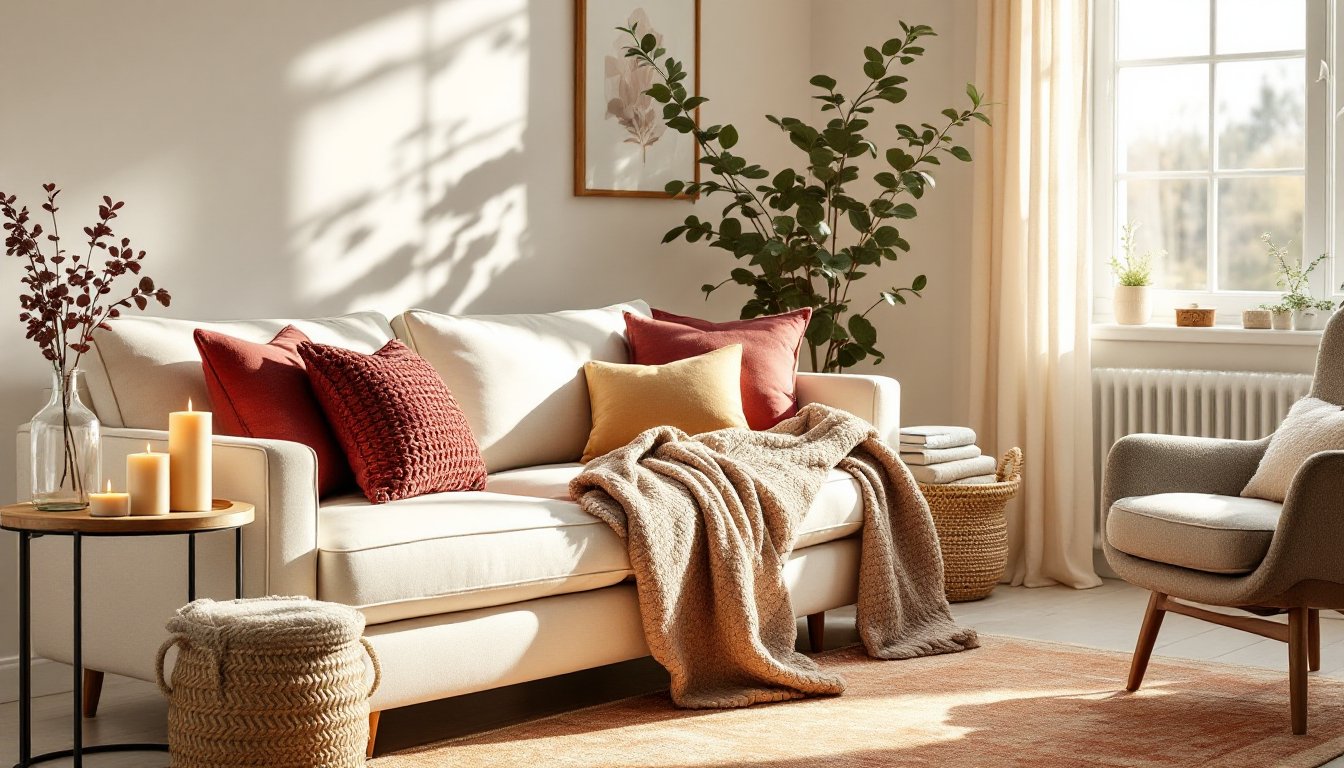
Groupings of three or five smaller items create visual balance without clutter. A trio of varying-height candles, a cluster of small potted plants, or books stacked with a single decorative object add personality without overwhelming the space. Consistency in style, color, and material across these groupings makes them feel intentional rather than random.
Conclusion
A small living room becomes a functional, stylish space through thoughtful choices about furniture, layout, and design elements. Multi-functional pieces, strategic placement, light colors, vertical storage, layered lighting, and carefully scaled decor work together to make compact rooms feel open and inviting. The goal isn’t cramming more into the space, it’s making every inch count. Start with one or two of these ideas and build from there. Most homeowners find that a few targeted changes create noticeable improvements in how the space looks and functions.