Table of Contents
ToggleAs temperatures drop and daylight shortens, the living room becomes the heart of home life. Fall is the perfect time to refresh this space with warm tones, comfortable textures, and ambient lighting that invite people to settle in for the season. Unlike seasonal decor trends that fade quickly, well-executed fall living room ideas focus on practical comfort and layered design that enhance daily living. Whether someone’s refreshing an entire room or making small adjustments, these seven strategies balance coziness with functionality, no overwrought pumpkin displays required. Let’s walk through actionable changes that transform a living room into an autumn retreat.
Key Takeaways
- Fall living room ideas thrive on warm color palettes—burnt orange, terracotta, mustard, and chocolate brown—applied through pillows, artwork, and accessories without requiring a full repaint.
- Layering multiple textures like wool, linen, leather, and chunky knits creates visual depth and invites people to actually use and enjoy the space.
- Strategic lighting using warm white bulbs (2700K), dimmed overhead lights, and layered light sources transforms fall ambiance and compensates for shorter daylight.
- Natural elements like dried branches, pampas grass, and minimal decor add authentic autumn appeal without excessive purchasing or seasonal clutter.
- Rearranging furniture to create conversation-focused seating clusters and clear pathways encourages gathering and makes the living room feel more intimate and welcoming.
- Start small with one or two changes—such as swapping in warm-toned pillows and throws—and layer additional elements gradually to build a cozy autumn retreat.
Warm Color Palettes That Bring Autumn Indoors
Color sets the mood faster than anything else in a room. Instead of repainting walls, a commitment that may not feel right after the season ends, start with a shift in accent colors on existing furniture, art, and accessories.
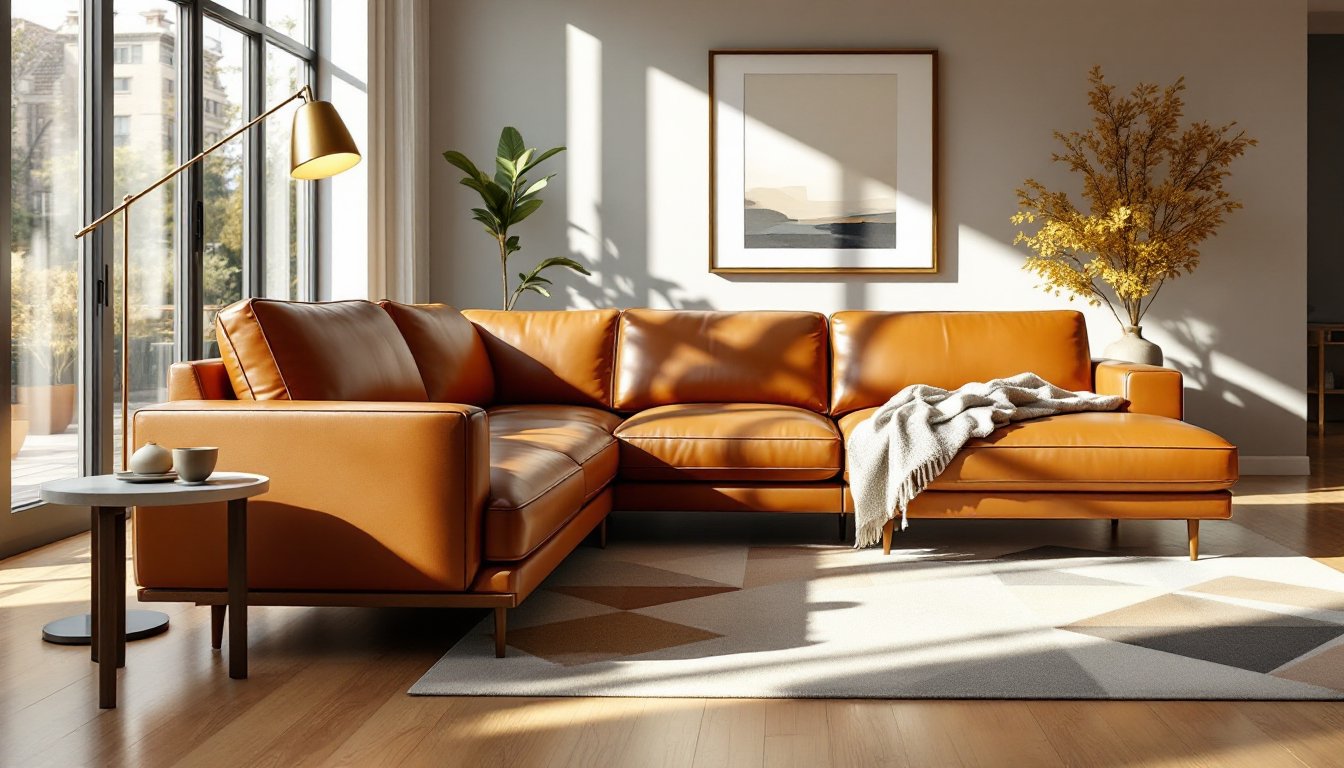
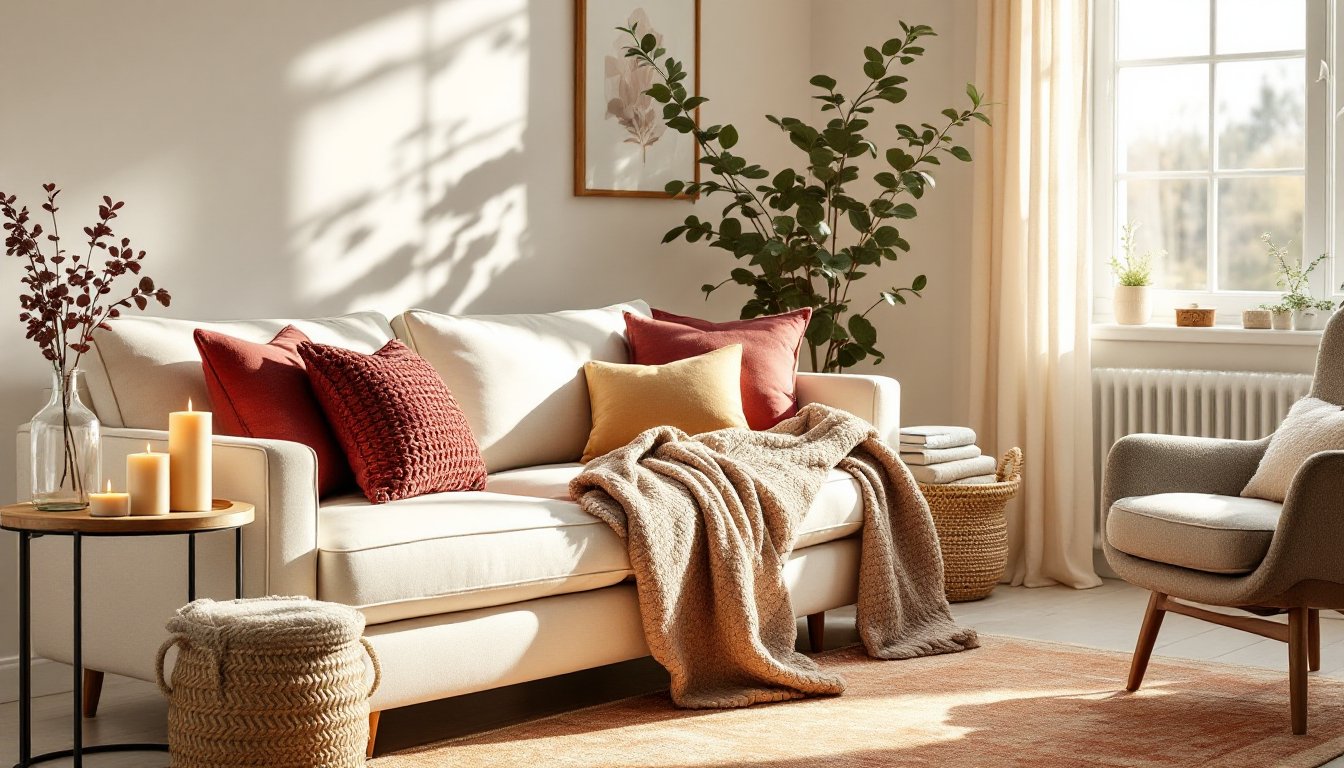
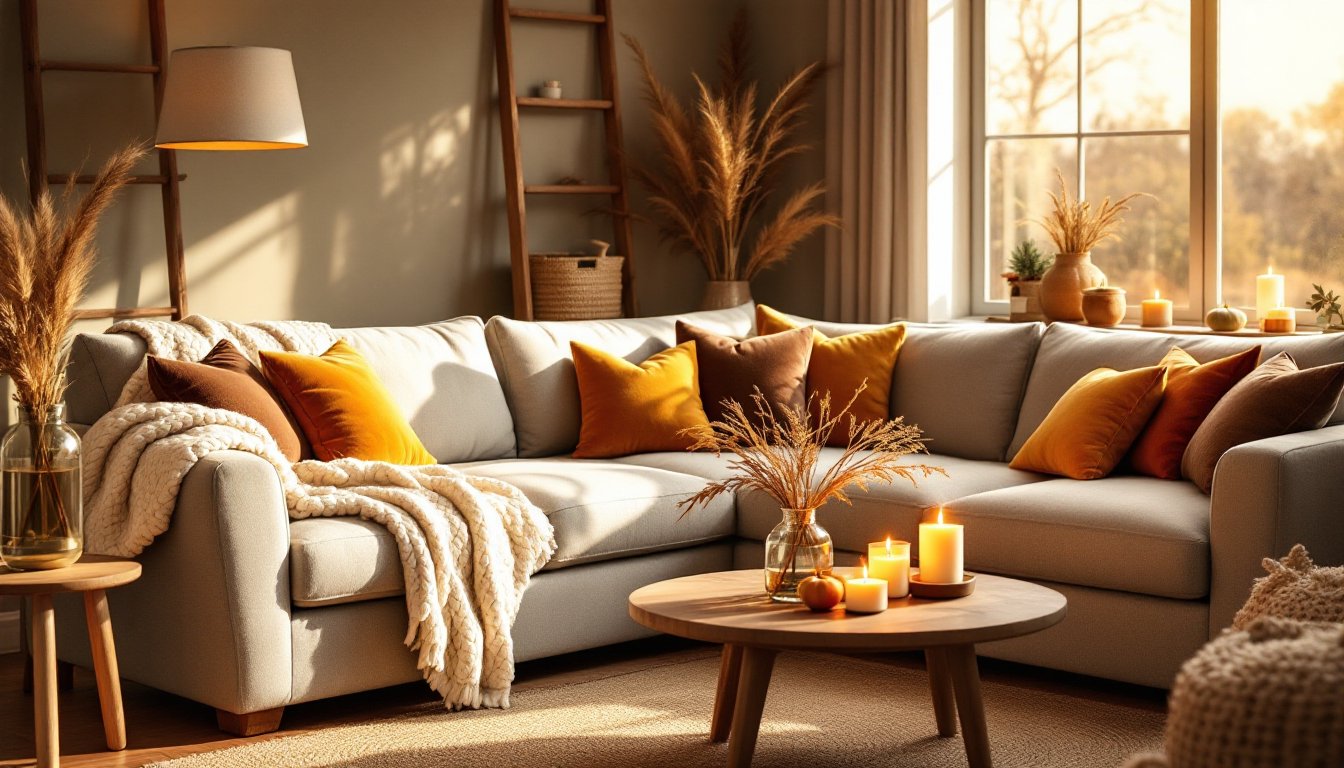
Warm neutrals form the foundation. Warm grays, taupes, and creams work better in fall lighting than cool whites or stark blacks. If the couch is already neutral, layering warm-toned pillows immediately shifts the room’s feel. Burnt orange, terracotta, mustard yellow, and deep chocolate brown are the reliable fall palette workhorses. They echo autumn foliage without feeling kitschy.
Wall art and textiles are the easiest levers. Swap in prints or photography with fall tones, think warm landscapes or abstract pieces in rust and gold. A single large piece makes more impact than scattering small frames. If artwork feels permanent, a temporary fall-themed gallery wall using removable adhesive strips works just as well.
Accent walls are optional but effective. A single wall painted in a warm, muted tone like sage, charcoal, or soft burnt sienna can anchor the room without overwhelming it. Paint coverage for a single accent wall typically runs one gallon per wall in a standard living room, and quality interior paint ensures lasting color and easier repainting when the season shifts. For renters or those hesitant about permanence, peel-and-stick wallpaper in fall patterns offers similar visual impact with zero commitment.
Light fixtures and hardware often go overlooked. Swapping out chrome or brushed nickel switch plates for warm brass or oil-rubbed bronze reinforces the autumn theme consistently.
Layering Textures for Maximum Comfort
Fall demands touchable comfort. Texture creates visual interest and invites people to actually use the living room rather than just look at it.
Mixing materials is the key principle. Pair a smooth linen sofa with a chunky knit throw, add a wool area rug beneath, and include a leather ottoman or velvet pillow. Each texture plays differently under light and feels different to the touch. Avoid matching everything, intentional contrast between smooth, rough, woven, and soft textures creates depth.
Natural fibers perform better and age gracefully. Wool, linen, cotton, jute, and leather are durable and develop character over time. Synthetic blends can work for budget or durability in high-traffic areas, but pure natural fibers typically offer better fall warmth perception and longevity.
Blankets, Throws, and Soft Furnishings
Throws aren’t just decor, they’re functional and inviting. Drape a chunky cable-knit throw or a thick wool blanket over the back of the couch or an armchair. People notice and use them immediately. Fleece-lined throws offer maximum warmth for minimal visual bulk: chunky knits make a bolder statement but take up more visual space.
Pillows should vary in size and material. Combine larger supportive pillows with smaller accent pillows. Mix linen, wool, mohair, and corduroy. A 16-inch pillow for lumbar support, a 20-inch pillow for the sofa back, and two 12-inch accent pillows in different textures create a finished, layered look without clutter.
Area rugs anchor the room and define seating zones. A natural fiber rug in jute, sisal, or wool under the main seating area adds warmth underfoot and visually grounds the space. Rugs also dampen noise and create acoustic comfort, important when gathering family. Standard living room rugs range from 5×7 feet to 8×10 feet: measure the space before purchasing to ensure the rug anchors at least the front legs of major furniture pieces.
Lighting Solutions for Fall Ambiance
Fall light is lower and warmer than summer light. Strategic lighting compensates and enhances the cozy vibe.
Layered lighting is the gold standard. Combine overhead lights (dimmed to 40-50% on fall evenings), task lighting (floor or table lamps for reading), and accent lighting (candles, string lights, or uplighting behind shelves). This approach is flexible: different light sources can be adjusted based on time of day and mood.
Bulb color temperature matters significantly. Warm white bulbs (2700K) feel cozier than cool white (4000K+). Most standard incandescent and many modern LED bulbs default to warm white, but verify the packaging before purchasing. A 60-watt-equivalent warm white LED in a reading lamp provides sufficient light without starkness.
Table and floor lamps with fabric shades diffuse light softly. Bare bulbs or minimal metal shades feel industrial and bright, fine for kitchens, wrong for a fall living room retreat. Linen or linen-blend shades in cream or warm taupe complement the seasonal palette.
Candles, while not primary lighting, elevate ambiance significantly. Unscented or subtly scented candles (vanilla, cedarwood, or amber) in glass containers on side tables or mantels create focal points and warmth. Flameless LED candles offer the same effect without fire risk in homes with pets or children.
String lights or soft accent lighting along shelving or behind furniture adds depth and visual interest after dark. Battery-operated warm white string lights (avoiding harsh blue tones) work especially well in rentals where permanent wiring isn’t an option.
Seasonal Decor and Natural Elements
Natural elements ground a fall living room in authenticity without requiring excessive purchases.
Branches, leaves, and dried botanicals require minimal effort. Tall branches in a large glass vase create an autumn focal point without the fragility or short lifespan of fresh flowers. Dried pampas grass, wheat bundles, or fall foliage in neutral containers work year-round and develop a muted, sophisticated patina. These elements cost far less than seasonal floral arrangements and can be reused each autumn.
Wood and woven accents reinforce natural warmth. A wooden ladder leaning against a wall holds throws and blankets functionally and visually. Woven baskets, seagrass, rattan, or woven jute, store blankets, throw pillows, or magazines while adding texture. Wood side tables, shelving, or a chunky wooden mantel clock feel at home in fall without decorating heavily.
Fall without forced decor. A single fall wreath on the wall, a pumpkin or two on a shelf (real or high-quality faux), and natural elements like branches and dried botanicals feel intentional, not overdone. The goal is ambiance, not a seasonal explosion.
Fresh or faux? Fresh pumpkins and gourds last 4-6 weeks before deteriorating. High-quality faux versions (difficult to distinguish up close) last indefinitely and can be stored compactly. For a room that’s lived in daily, faux options reduce mess and maintenance while maintaining visual impact. Look for weighted, detailed faux produce rather than glossy, obviously plastic-looking pieces.
Small seasonal touches, a fall-colored pillow on a reading chair, a wooden board with seasonal quotes on a side table, add personality without overwhelming the space or the budget.
Rearranging Furniture for Gatherings
Fall often brings gatherings, casual movie nights, holiday prep, or family time. Furniture arrangement can either support or hinder these moments.
Focal point matters. The TV isn’t always the best focal point for conversation: a fireplace, large window, or prominent wall can work equally well. Arrange seating to face the primary focal point while allowing clear sightlines. In a rectangular room, angling furniture slightly toward a corner creates intimacy and makes the space feel cozier.
Grouping seating encourages interaction. Instead of a single long couch, mix seating types, sofa, armchairs, and floor cushions, arranged in a loose circle or U-shape. This layout accommodates different body types, mobility needs, and comfort preferences. People naturally gravitate toward clusters of seating rather than linear arrangements.
Clear pathways prevent cramped, unwelcoming feelings. Even in a small living room, maintaining clear routes from entryways to seating prevents the room from feeling like an obstacle course. Tuck side tables to the edges rather than blocking center paths.
Floating furniture (pulling pieces away from walls) creates defined zones in open-concept homes. A sofa pulled 12-18 inches from the wall, paired with a console table behind it, defines the living room even in a large, open space without closing off the area entirely. This arrangement also improves sightlines and makes the room feel more intimate.
Simple furniture moves cost nothing and dramatically shift how a room functions. Rotating a sofa orientation by 90 degrees, repositioning an armchair to face a window with better light, or creating a cozy reading nook in an underused corner takes 30 minutes and transforms daily living. Before moving heavy pieces, ensure no electrical outlets, heating vents, or cables are blocked: safety and function must come before aesthetics.
Conclusion
Fall living room ideas don’t require a complete overhaul or a big budget. Warm color palettes, layered textures, thoughtful lighting, natural elements, and strategic furniture arrangement create a space that feels like autumn without feeling temporary. Start with one or two changes, swapping in warm-toned pillows and adding a throw blanket makes an immediate difference. Layer in additional elements over weeks as budget and time allow. The best fall living room is one where people naturally want to gather, settle in, and linger. That’s the real goal, and these practical adjustments get there consistently.